
At a glance
At a glance
- Allow upfront planning to coordinate grid upgrades and renewable energy projects
- Reduce overall project and infrastructure costs
- Streamline connection of renewable energy to the grid
- Reduce impacts on communities and the environment
- Stabilize rates and provide reliable power by supporting local energy production
- Complement ongoing safety and wildfire mitigation work
Your input matters
Help us to identify opportunities and challenges within each zone
Interactive Comment MapOahu
Renewable energy zones Priority zones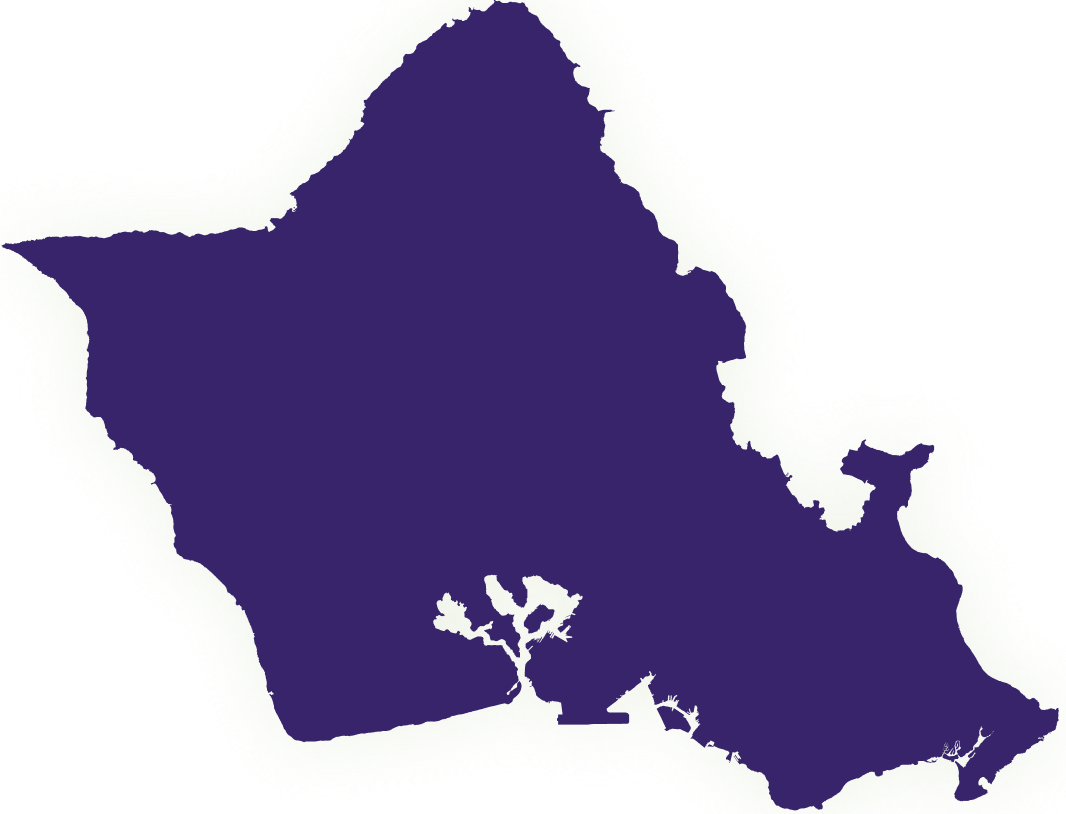
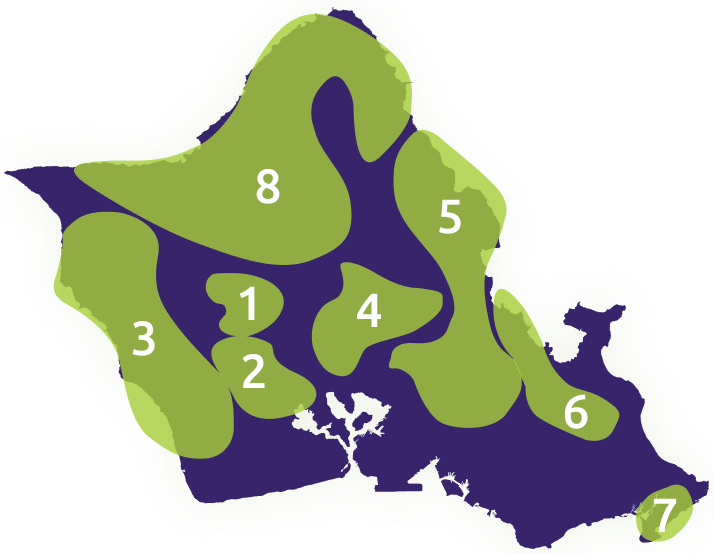
Group 1
- Potential Generation Capacity: 120 MW
- Grid Connection Point: Hoohana 138 kV substation
 Potential Generation Capacity: 120 MW
 Grid Connection Point: Hoohana 138 kV substation
Group 2
- Potential Generation Capacity: 324 MW
- Grid Connection Point: Ewa Nui 138 kV substation
Group 3
- Potential Generation Capacity: 588 MW
- Grid Connection Point: Kahe 138 kV substation
Group 4
- Potential Generation Capacity: 331 MW
- Grid Connection Point: Waiau 138 kV substation
Group 5
- Potential Generation Capacity: 608 MW
- Grid Connection Point: Halawa 138 kV substation
Group 6
- Potential Generation Capacity: 147 MW
- Grid Connection Point: Koolau 138 kV substation
Group 7
- Potential Generation Capacity: 66 MW
- Grid Connection Point: Koolau 46 kV substation
Group 8
- Potential Generation Capacity: 1,160 MW
- Grid Connection Point: Wahiawa 138 kV substation
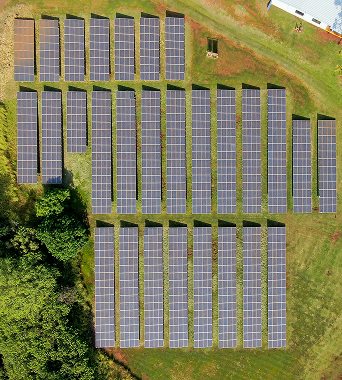
Renewable energy zones (REZ) are areas with strong potential for clean energy generation and efficient connection to the grid.
By focusing renewable projects in the right places and allowing planned, coordinated construction of essential grid components like transmission, renewable energy zones help streamline the connection of clean energy projects into the grid, reduce costs, minimize impacts and deliver reliable energy to customers.
Renewable energy zones are a key part of the Integrated Grid Plan
They support a coordinated, statewide effort to reduce carbon emissions. Through the renewable energy zones program, Hawaiian Electric is working alongside state leaders, agencies, communities and developers to build the infrastructure needed to power Hawaii safely and sustainably.
Based on the evaluation and community input, Hawaiian Electric recommends advancing the top two highest scoring zones — Oahu zones 1 and 6 — into conceptual design and procurement. These two priority zones represent pilots that are an important first step toward creating a renewable energy zone program across the islands Hawaiian Electric serves.
What will renewable energy zones include?
Renewable energy zones will include power generation, like wind or solar, and transmission infrastructure to connect clean energy to customers. Transmission is a crucial component of the future grid.
We will need to build new transmission infrastructure as part of renewable energy zones to expand the grid’s capacity. New transmission will carry electricity from new sources to meet customers’ growing demand for power.
What is transmission?
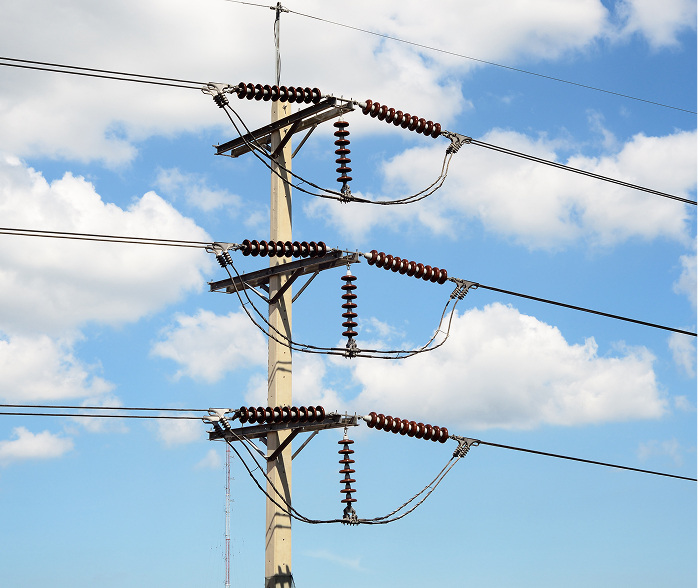
Transmission includes power lines and substation equipment that transports high-voltage electricity (such as 138 kilovolt or 69 kilovolt) over long distances and are typically held up by towers or poles. They are like highways, as the lines can move power from where it’s generated to substations, and eventually to customers.
Why now?
Hawaiian Electric first identified renewable energy zones across the islands in 2021, including eight zones on Oahu. Following direction from the Public Utilities Commission, or PUC, and the Governor’s executive order, Hawaiian Electric began evaluating Oahu zones in 2025 for near-term development.
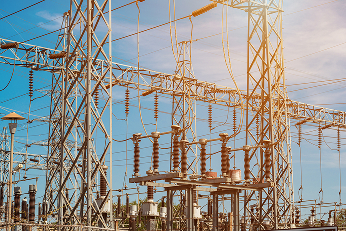
Transmission infrastructure takes much longer to build (often 10 to 20-plus years) while clean energy projects like solar can be developed in just 2 to 5 years. Planning and building transmission must start well in advance so the grid is ready when new clean energy comes online.
Timeline of EventsWhat are the benefits of renewable energy zones?
Click on the diamonds to find out
Resilience
- Diversified resources and reduced reliance on fossil fuels
- Enhanced grid resilience and stronger, more modern infrastructure
Clean energy
- Support Hawaii state goal to achieve net-zero carbon emissions by 2045, as outlined by the Public Utilities Commission and Governor’s Executive Orders
- Support the growing need for electricity and retirements/replacements of aging generators
Stable electricity rates
- Reduced reliance on imported oil and fluctuating global prices
- Supports long-term rate stability
Economic development
- Renewable energy zone development takes place over many years. During that time, workers and project teams invest locally—supporting nearby restaurants, hotels, supply stores, and other small businesses
- Construction of projects in renewable energy zones creates job opportunities and supports workforce training in the growing renewable energy sector, helping build local skills that can benefit communities well beyond a single project

What does this mean for customers?
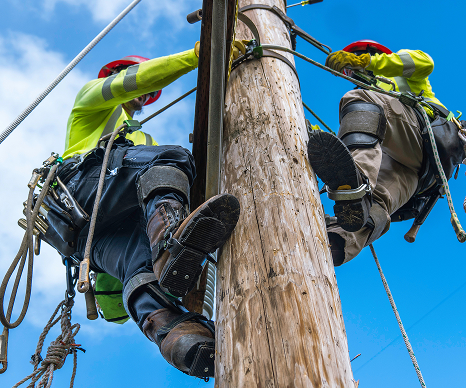
To support the initial planning phase of these projects, you might see utility crews in your area as early as this year, conducting surveys and gathering information.
This work lays the foundation for future renewable energy generation and transmission projects that will each individually involve a rigorous process of community input and environmental review before approval and construction. Construction associated with renewable energy zones would likely not begin before 2030.
Hawaiian Electric is committed to communicating proactively and transparently with our communities. We encourage you to sign up for our email list and reach out to our project team anytime.
REZ Resources
Timeline of Events
Renewable energy zones are long-term investments that require extensive planning and coordination. View what has been done, where we are at and what's ahead.
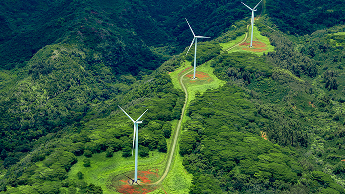
Method and approach
Recognizing that successful projects depend on more than any single factor, we've taken a holistic and inclusive approach to evaluate technical, environmental and community considerations.
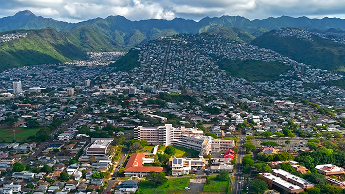
Frequently asked questions
We understand that with anything new comes a variety of questions and concerns. Find out answers to some of the most frequently asked questions about renewable energy zones.