
Our Approach
Hawaiian Electric takes a holistic, balanced approach to selecting renewable energy zones, recognizing that successful projects depend on more than any single factor. Our evaluation considers:
- Technical feasibility
- Environmental and climate considerations
- Community perspectives
- Long-term system performance
By looking at the full picture, we aim to identify zones that are not only viable today, but sustainable and beneficial for our communities and grid over the long term.
Click the diamonds to learn more
Generation potential
Evaluates how well an area can support renewable energy generation based on available natural resources, such as solar exposure or wind conditions. This helps identify locations where projects are more likely to perform efficiently and deliver meaningful energy output over time.
Land availability
Looks at whether there is enough appropriate land for renewable energy projects, including how large the area is, how the land is currently used and any terrain limitations. This helps ensure potential zones have the space needed to support real, buildable projects.
Equity and community input
Considers community perspectives, local context and the presence of existing energy infrastructure, with particular attention to communities that have historically experienced disproportionate impacts. This criterion reflects the importance of listening to community voices and supporting more equitable energy outcomes.
Environmental impacts
Looks at how renewable energy development could affect the environment, including permitting requirements and whether natural or cultural resources could be impacted. This helps identify areas where projects are more likely to move forward with fewer challenges and clearer paths to addressing impacts.
Climate risk exposure
Screens for exposure to climate-related risks such as wildfire, flooding, coastal hazards or tsunami zones. Accounting for these risks helps ensure that future investments are durable and better suited to long-term climate conditions.
Known developer interest
Considers where developers have already expressed interest or begun early-stage work, which can signal market readiness and feasibility. This information helps align planning efforts with areas where development activity may already be emerging.
Resilience
Looks at how well an area can support a reliable electric grid and continue operating during disruptions like severe weather or power outages. This helps prioritize zones that can better support a stable, dependable energy system as more renewable resources come online.
Maintenance costs
Estimates the long-term costs associated with operating and maintaining infrastructure in a given area. Factoring in maintenance helps ensure that zones are not only feasible to build, but practical and cost-effective to operate over time.
Equity in energy planning
Equity is a central part of the renewable energy zone planning process. Our approach is to identify solutions that strengthen communities, while respecting historical, cultural, environmental and land-use considerations.
Hawaiian Electric is committed to:
- Engaging communities early and consistently to understand local values and concerns
- Avoiding disproportionate impacts to communities that have historically been affected by infrastructure projects, including rural, Native Hawaiian and underserved communities
- Incorporating community priorities into scoring criteria and siting decisions
- Ensuring equal access to benefits, such as improved reliability, long-term rate stability and potential economic opportunities
Community Working Group
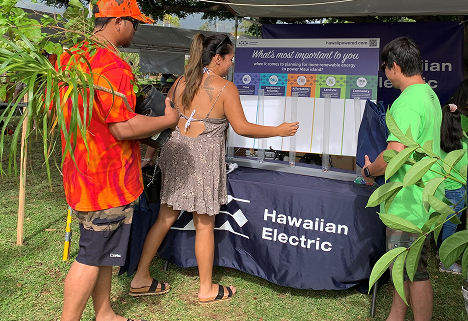
Hawaiian Electric is gathering community perspectives through its Community Working Group, made of representatives across the islands working towards a better energy future for Hawaii.
As part of this effort, the Community Working Group reviewed and provided feedback on the criteria, weighting and zone selection.
How can I get involved?
Community input is a critical part of renewable energy zone planning. Sign up for updates to learn about upcoming meetings, engagement opportunities and ways to share your feedback as the process moves forward.
What REZ designation means—and what it doesn’t
A renewable energy zone designation highlights areas where Hawaiian Electric sees strong potential for development of renewable energy generation and transmission based on a range of technical, environmental and community factors. It is meant to provide helpful planning signals, not to approve or guarantee any specific project.
REZ designation means:
 REZ designation means:
- The area has been identified as a potential location for renewable energy development and transmission upgrades
- Hawaiian Electric may focus more planning attention on grid needs and future infrastructure in or near the zone
- Developers can better understand where long-term planning efforts are being directed
REZ does not mean:
 REZ does not mean:
- Automatic approval of a project or fast-tracked interconnection
- Guaranteed transmission upgrades or cost recovery
- Preference for any individual developer or project
REZ Resources
Timeline of Events
Renewable energy zones are long-term investments that require extensive planning and coordination. View what has been done, where we are at and what's ahead.

Method and approach
Recognizing that successful projects depend on more than any single factor, we've taken a holistic and inclusive approach to evaluate technical, environmental and community considerations.

Frequently asked questions
We understand that with anything new comes a variety of questions and concerns. Find out answers to some of the most frequently asked questions about renewable energy zones.