
Frequently asked questions
The Public Utilities Commission has directed Hawaiian Electric to identify at least two REZ on Oahu by the second quarter of 2026. This is a key step in helping Hawaii reach its clean energy goals and create a more sustainable, reliable and resilient energy system.
Identifying and developing renewable energy zones typically involves:
- Data analysis to identify optimal zones for clean energy
- Community engagement to ensure alignment with local values and priorities
- Environmental review and development of scoring criteria to rank zones
- Phased implementation including planning, permitting and construction of transmission and generation infrastructure
Safety is a core part of renewable energy zones planning. As we evaluate potential zones and transmission corridors, we incorporate wildfire risk maps, vegetation patterns, terrain, weather trends and emergency response access. Hawaiian Electric is also integrating renewable energy zone planning with its established wildfire mitigation programs, which include system hardening, vegetation management and operational protocols. Our goal is to identify locations that reduce risk, improve system resilience and support statewide emergency preparedness.
Renewable energy zones are focused on grid-scale renewable resources, including large generation facilities and transmission infrastructure to connect generation to the grid. The analysis is investigating renewable technologies, including wind turbines, solar facilities and clean synchronous generation, as well as battery storage and electric substations, poles and wires.
Yes. Renewable energy zone planning includes grid-scale battery energy storage systems (BESS) as part of the broader mix of technologies needed to support a reliable, clean energy grid. Storage helps smooth variable resources like wind and solar, improves system stability, and supports resilience during outages or extreme weather. When evaluating potential renewable energy zones, Hawaiian Electric considers the location, sizing and infrastructure needs for both renewable generation and the storage required to make those resources dependable.
The evaluation compared each zone using technical analysis and community and partner input across three priorities:
- Cost and efficiency
- Equity and environment
- Resilience to climate hazards
The goal of the evaluation was to identify two priority zones to advance into the next phase of planning.
Zones 1 and 6 received the highest overall scores in the evaluation. Compared with other zones, they offered the strongest overall balance of cost-effectiveness, environmental and equity considerations, climate resilience and development feasibility, making them the best zones for near-term development. These zones also:
- Involve minimal transmission upgrades
- Balance renewable capacity with manageable cost and risk
- Can inform future zones as projects grow more complex
Prioritizing Zones 1 and 6 on Oahu is the first step in a longer process of planning, community engagement and project development.
Hawaiian Electric gathered input from state agencies, elected officials, renewable energy developers, neighborhood boards, public meetings, the Community Working Group (CWG) and the Stakeholder Technical Working Group (STWG). Meetings with neighborhood boards and the public were focused on the top four highest-ranking zones based on the evaluation criteria. This feedback helped shape the evaluation criteria and the prioritization process.
Community members emphasized concerns about land use, transmission, environmental impacts and how projects may affect nearby communities. Public feedback did not identify major issues that would prevent development of the highest-ranked zones in the near term. Community input will continue to be addressed in the next phase of project development.
No. selecting these zones only identifies them for the next phase of planning. Any future renewable energy or transmission projects would still involve community engagement, environmental review, permitting and regulatory approvals before construction could begin.
Prioritizing renewable energy zones identifies where planning should move forward, but it does not determine the exact location, size or design of future renewable energy projects. Those decisions would be made during future project planning and review, with additional opportunities for public input and environmental analysis.
The next phase includes:
- Holding discussions with state agencies and private landowners on land availability
- Continued collaboration with the State of Hawaii’s Office of Planning and Sustainable Development in its development of the Integrated Land Use Study
- Advancing conceptual design
- Preparing developer procurement packages
- Continuing to engage and communicate with communities
- Coordinating project timing with regulatory approvals and capital planning requirements
Yes. Future projects would include continued community engagement throughout planning and development. Individual projects would also go through environmental review and additional public input before approval.
The current evaluation identified two zones for near-term development, but all renewable energy zones on Oahu, as well as on Hawaii Island and Maui County, will eventually need to play a role in helping meet future energy goals.
Have more questions?
REZ Resources
Timeline of Events
Renewable energy zones are long-term investments that require extensive planning and coordination. View what has been done, where we are at and what's ahead.
Method and approach
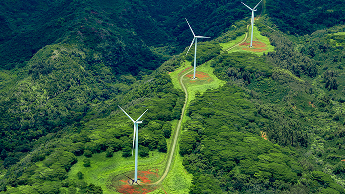
Recognizing that successful projects depend on more than any single factor, we've taken a holistic and inclusive approach to evaluate technical, environmental and community considerations.
Frequently asked questions
We understand that with anything new comes a variety of questions and concerns. Find out answers to some of the most frequently asked questions about renewable energy zones.