


Why we conducted this survey
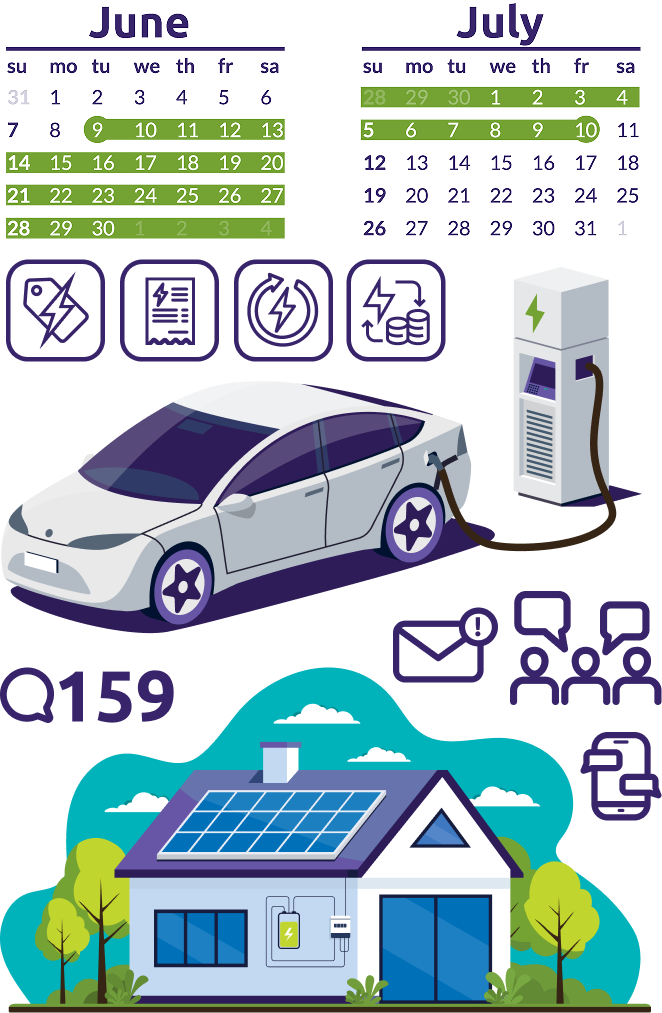
Community input is an important part of this planning process and is considered together with our technical analysis. From June 9 to July 10, 2026, Hawaiian Electric asked the public to share insights about their experience with programs that could influence future energy use, including:
- Electric vehicles
- Energy efficiency programs
- Hawaii Energy rebates
- Rooftop solar programs
The feedback will help inform the inputs and assumptions used in Hawaiian Electric’s energy planning. The survey was shared through:
- The Community Working Group
- The Stakeholder Technical Working Group
- IGP email newsletter
- Powering Hawaii’s Future blog
- Social media
- Community events
Participation
159 responses received across Hawaiian Electric’s service territory
Key takeaways
Electric vehicles
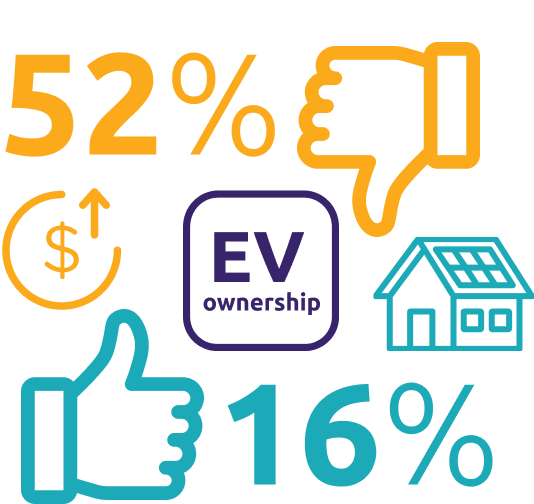
52% of respondents do not anticipate owning an electric vehicle (EV), and only 16% of respondents already own them.
Common barriers:
- High vehicle costs
- High electricity rates
- Limited charging infrastructure
- Condo/apartment building challenges
- Concerns about battery replacement costs
Many respondents reported rooftop solar would make EV ownership more appealing.
Energy efficiency
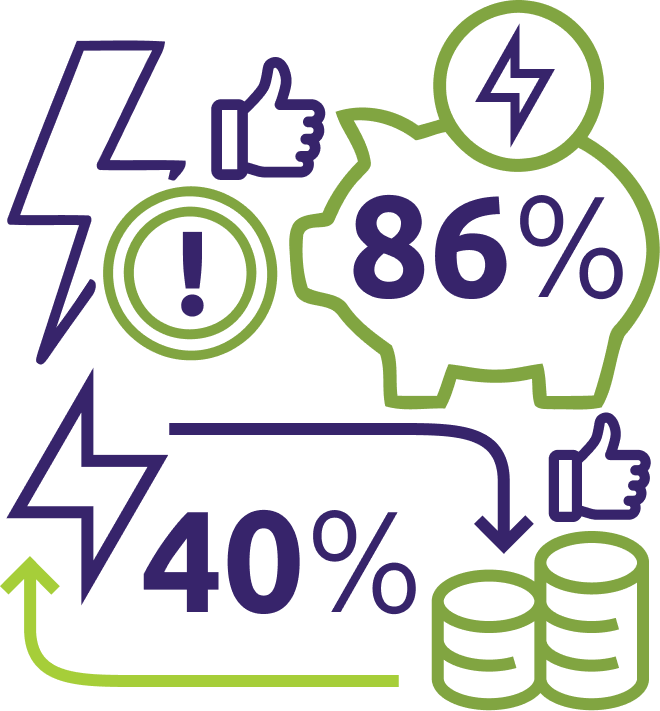
86% of respondents rated energy efficiency programs as important.
Why it matters:
- Lower energy bills
- Reduced energy use
- Cost savings on appliances and equipment
Hawaii Energy rebates
40% of respondents have participated in Hawaii Energy rebate or discount programs. Reasons for not participating included:
- Eligibility requirements
- Lack of awareness
- Complex or inaccessible application processes
- Expensive upfront costs
Several participants reported that rebates influenced their decision-making when purchasing an appliance. Other participants requested more awareness and education about available programs.
Rooftop solar
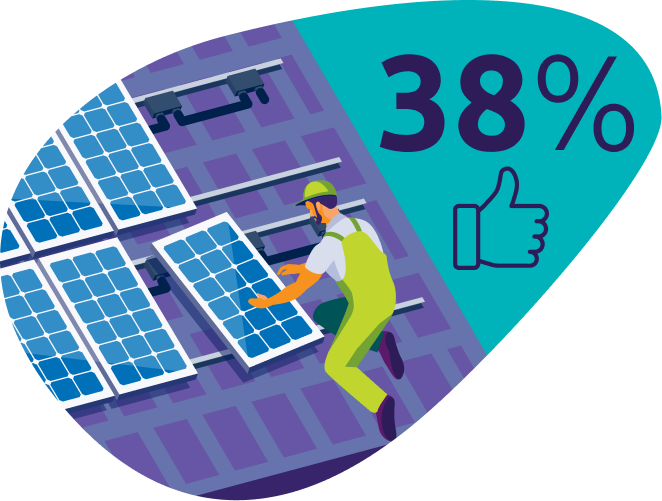
38% of respondents reported they participate in rooftop solar programs.
Common barriers:
- Challenges getting approved to participate
- Installation is too expensive
- Renters without authority to install rooftop solar
- Homeowner’s Association challenges
- Low return on investment
- Reliability challenges
Battery storage
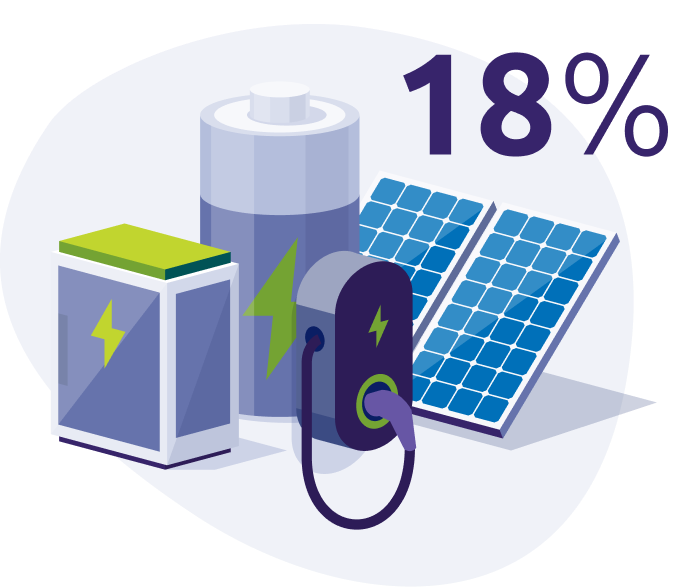
Only 18% of respondents reported having battery storage. The leading barrier was cost, though many respondents recognized the value of batteries for backup power and resilience during outages.
What we heard
Strengths
- Strong support for energy efficiency initiatives
- Positive experiences with rebate programs
- Solar and battery participants reported savings and resilience benefits
Challenges
Affordability
Customers consistently cited:
- High EV costs
- High electricity prices
- Rooftop solar and battery installation cost
Awareness and outreach
Many respondents:
- Were unaware of available programs
- Requested more outreach around available programs
- Wanted simpler program enrollment processes
Housing constraints
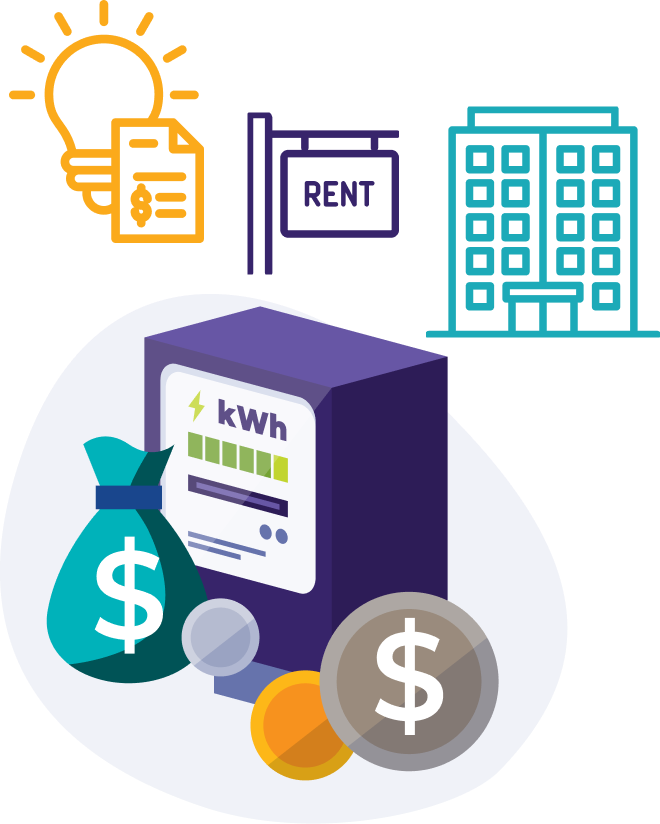
Program participation is often limited by
- Condos and apartments
- Rental properties
- Homeowner’s Association restrictions
Looking ahead
Mahalo to everyone who participated in the survey. Your feedback helps inform the assumptions and planning scenarios that guide Hawaiian Electric’s Integrated Grid Plan (IGP). Combined with technical analysis and ongoing stakeholder engagement, community input will help shape how future energy needs, priorities and opportunities are evaluated.
Next steps
- Consider survey findings when finalizing the Inputs and Assumptions phase of IGP, including a filing with the Public Utilities Commission by September 14, 2026